Another Oblique Strategy – 99 Poems

The staple, the ingredient, the grain of literature – the word – is mostly used in non-literature. Ninety nine postcards are written; perhaps half a poem takes place.
– Rajeev Taranath, ‘The State of the Art’ lecture, CEPT University, 1991 (see this post).

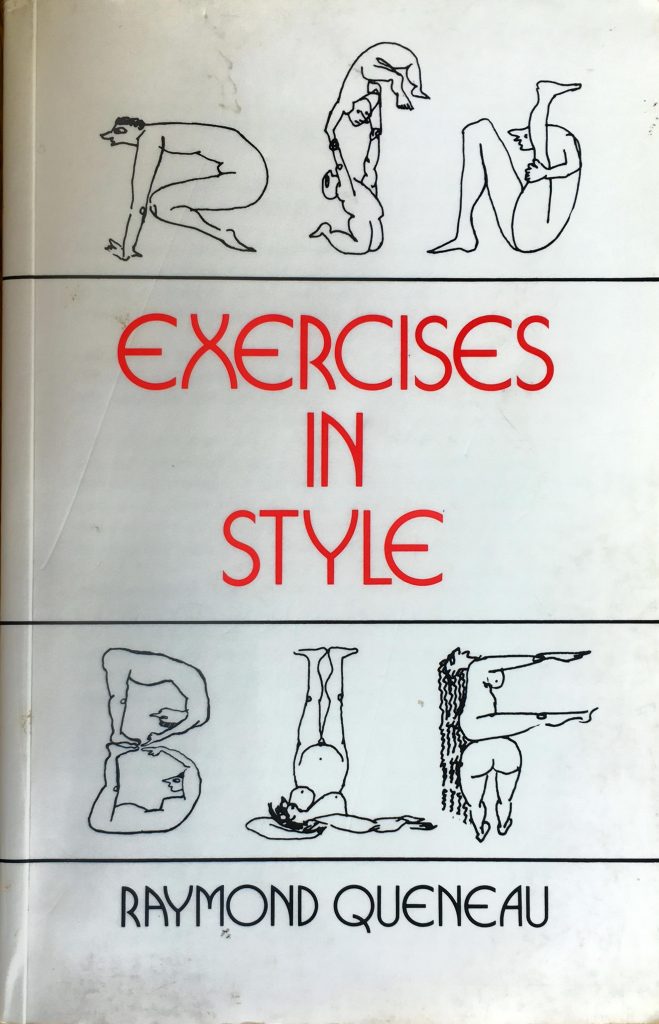
In Queneau’s 1947 Exercises in Style (English trans. Barbara Wright 1958), two banal incidents occur and 99 poems take place. One of the founder Oulipiens, Queneau offers another strategy for creativity under constraint. He relates the two incidents – an encounter on a bus, followed by an exchange regarding an overcoat button – in 99 different styles, predominantly liguistic, but also thematic, from Alexandrines to Olfactory via Logical Analysis and Ignorance.


___
Technique of Art – Taranath/Shklovsky


The technique of art is to make objects ‘unfamiliar,’ to make forms difficult, to increase the difficulty and length of perception
–  Viktor Shklovsky, ‘Art as Technique’ (1917) 

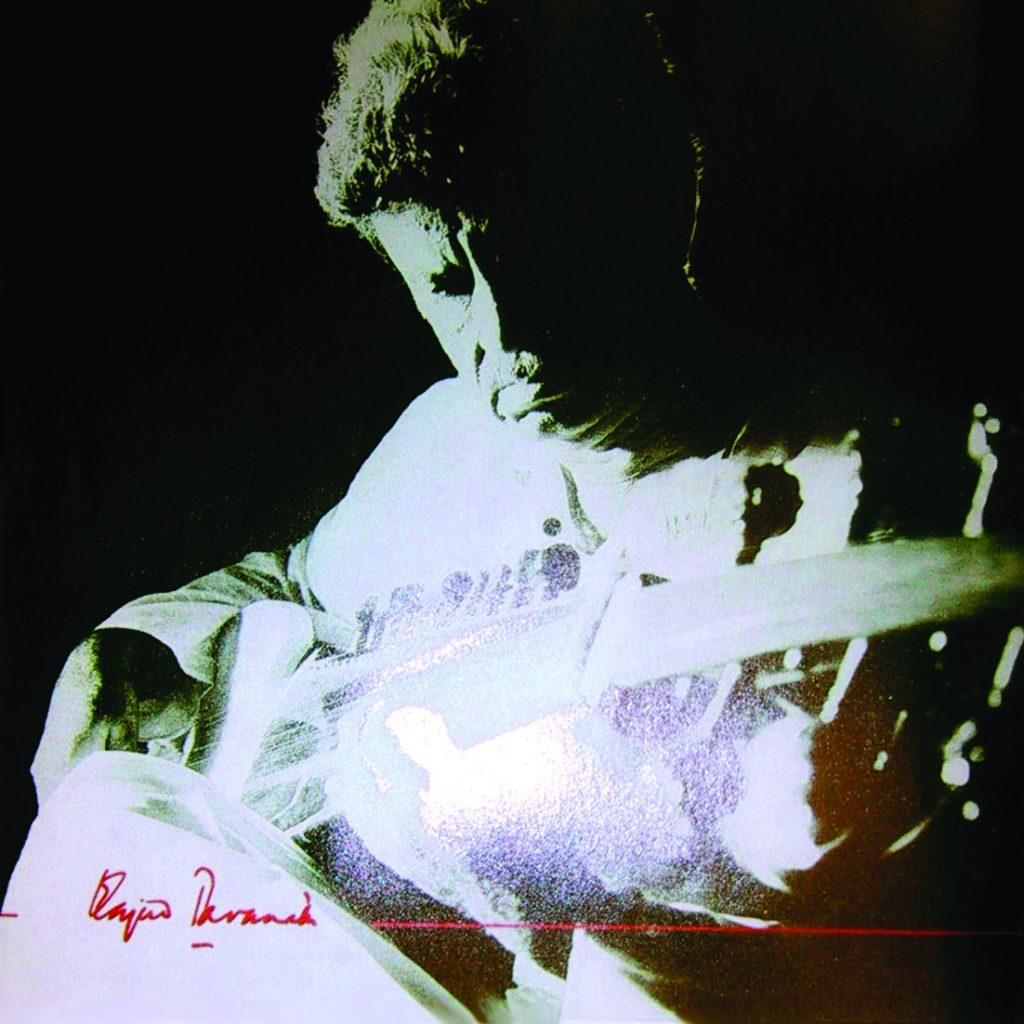
How does one innovate within a classical form? In his 1991 address ‘The State of the Art’, Pandit Rajeev Taranath, master musician and virtuoso of the North Indian sarode (and some-time professor of literature) chanelled Russian formalist critic Viktor Shklovsky’s ideas for innovation within a grammatically-bound form. Specifically, Taranath describes, and later illustrates musically, three key techniques – defamiliarisation, defacilitation, retardation. In Taranath’s words: ‘What is facile? I know the raga, and suddenly the musician there seems to come out with a movement which makes me bite my tongue in embarrassed shame. I seem to know this raga, and this lovely, simple movement I didn’t know. And sometimes he* pushes the raga to the edge, by which I mean, the edge where, if you are less than expert, it ceases to be that raga. Defamiliariation. Push it, push it – till the familiar becomes unfamiliar. Then bring it back to an enriched kind of familiarity, to a re-cognition.’

The lecture was part of a series at CEPT University, Ahmedabad, India.
*pronoun used in the original


___